Play with Passion Embroidery Design Review
As a designer who has spent years navigating the gap between digital files and physical stitched products, I approach every new machine embroidery design with a critical eye. The market is flooded with assets that look stunning on a screen but struggle under the needle. When I first opened the Play with Passion Embroidery Design, my goal was to determine if it could survive the rigors of a real-world craft business or if it belonged strictly in a personal hobby folder. This isn't just about aesthetics; it is about how the design translates into a tangible, sellable item for an Etsy seller, a boutique owner, or a custom apparel decorator.
First Impressions: Mood and Visual Personality
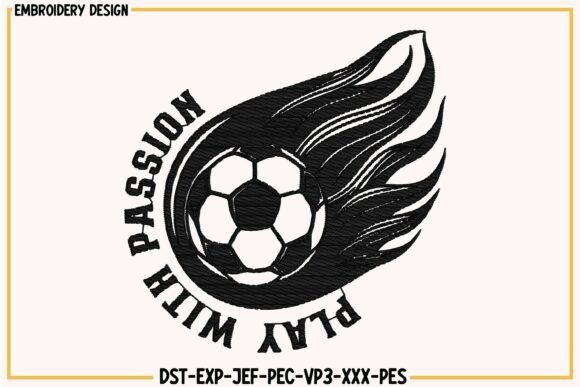
The immediate visual impact of the Play with Passion design is energetic and bold. It carries a distinct mood that aligns perfectly with the Sports category, yet it retains enough versatility to cross over into lifestyle branding. The layout suggests movement, which is crucial when you are trying to capture the essence of athleticism or dedication in a static image. Unlike many generic designs that rely heavily on complex fill stitches that can obscure detail, this piece appears to balance satin stitch and running stitch elements effectively.
For a small shop product, this kind of visual clarity is non-negotiable. Customers scanning through listings need to instantly "get" the design. The shape feels organic rather than boxy, which means it will likely drape well on curved surfaces like caps or fit neatly into the corner of a tote bag without looking cramped. The theme of passion implies intensity, so the thread colors chosen during digitization will play a massive role. If I were using this for a personalized gift, I would lean toward high-contrast combinations to ensure the message pops against the fabric texture.
Testing the Design in Real-Life Scenarios
To truly evaluate the Play with Passion Embroidery Design, I mentally walked through several production scenarios. Imagine preparing a custom embroidered sweatshirt for a local youth sports team. The design needs to sit proudly on the chest without puckering the heavy cotton fleece. In this context, the design's structure seems robust enough to handle the bulk of a sweatshirt embroidery project. The lines appear defined enough that they won't get lost in the nap of the fabric, provided the correct stabilizer is used.
Consider another angle: creating a line of embroidered patches for a craft fair. Patches require precision because the edges must be clean, and the internal details must remain sharp after trimming. The Play with Passion motif has a strong silhouette, making it a prime candidate for an embroidered patch. The density seems balanced, meaning the backing won't become too stiff, which is a common complaint with cheaper digital downloads. For an Etsy seller looking to expand their inventory with handmade products, this design offers a professional look that elevates the perceived value of the finished product.
I also see potential in baby embroidery projects, perhaps for a onesie celebrating a young athlete. However, this requires careful consideration of softness. If the stitch count is too high, the back of the garment might feel scratchy against sensitive skin. Before committing to a run of baby clothes, I would always test the design on scrap fabric to gauge the stiffness. Similarly, for holiday embroidery gifts, such as a pillow cover or a kitchen towel, the durability of the stitching becomes paramount. The design needs to withstand frequent washing without the threads fraying or the colors bleeding.
Navigating Fabric Challenges and Limitations
While the Play with Passion Embroidery Design shows great promise, experienced decorators know that no file is universally perfect. There are specific situations where caution is required. If you plan to use this on thin fabric, such as a lightweight t-shirt or a silk scarf, the stitch density could cause significant puckering. You would need a tear-away stabilizer and potentially a lighter hoop size to mitigate this risk. On stretchy fabrics like jersey knit, the design might distort if the stabilizer isn't rigid enough to hold the tension during stitching.
Dark fabric presents another challenge. While the design looks vibrant in a printable mockup, translating those colors onto black or navy material requires strategic thread color choices. A light-colored outline or a bright accent color might be necessary to prevent the design from disappearing into the background. Additionally, if you are considering this for a cap, the curved surface can sometimes cause shifting if the design is not anchored correctly. Always check whether the design works for both personal and commercial projects by testing it on a similar substrate first.
Impact on Brand Value and Customer Trust
For creative entrepreneurs and digital product sellers, the quality of your design assets directly influences buyer engagement. Using a high-quality embroidery file like Play with Passion signals professionalism. When a customer receives a custom apparel item with crisp, well-executed stitching, their trust in your brand increases. Conversely, a poorly executed design with loose threads or misaligned patterns can damage your reputation instantly.
This design contributes to brand consistency by offering a clear, recognizable aesthetic. Whether you are selling a tote bag design or a holiday gift set, the visual appeal remains consistent across different products. For small business merchandise, having a reliable design asset means you can scale your production without worrying about quality control issues arising from the file itself. It allows you to focus on marketing and customer service rather than troubleshooting stitching errors.
Practical Designer Notes for Success
If you decide to integrate the Play with Passion Embroidery Design into your workflow, follow these practical steps to ensure success:
- Test on Scrap Fabric: Never skip this step. Stitch the design on the exact type of fabric you intend to use for the final product to check for puckering and tension issues.
- Review Stitch Density: Inspect the digital file to ensure the fill stitch areas aren't too dense, which can make the fabric stiff, especially for items like aprons or blankets.
- Confirm Hoop Size: Verify that the design fits within your machine's maximum hoop size. If it requires a larger hoop, you may need to adjust your setup or split the design.
- Check Thread Color Contrast: Plan your palette carefully. High contrast ensures the design is legible from a distance, which is vital for custom apparel and promotional items.
- Use Proper Stabilizer: Match the stabilizer to the fabric weight. Heavy-duty cutaway stabilizers are often best for stretchy or textured fabrics, while tear-away works for woven materials.
- Verify Licensing: Before selling finished items or offering the digital embroidery file as part of a bundle, confirm the license terms. Ensure you have the right to use it for commercial embroidery projects.
- Create Mockups: Use light and dark fabric backgrounds in your printable mockups to show customers exactly how the design will look in various contexts.
In conclusion, the Play with Passion Embroidery Design stands out as a versatile and robust option for designers looking to add a unique, handcrafted touch to their portfolio. Its ability to bridge the gap between sporty energy and general lifestyle appeal makes it a valuable addition to any collection of design assets. By respecting the technical requirements of embroidery and testing thoroughly, you can turn this digital file into a high-value finished product that delights customers and strengthens your craft business.