Nobody Fights Alone Embroidery Review
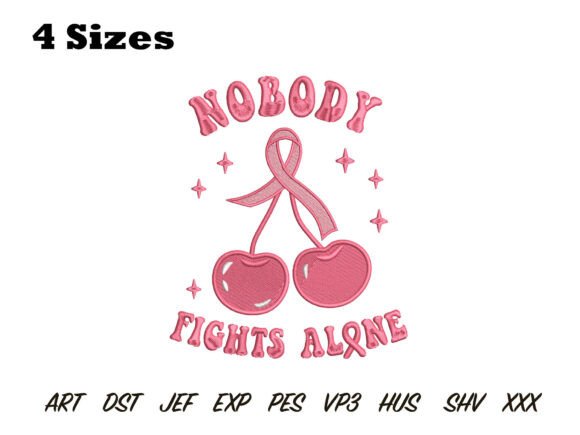
As a designer who has spent years testing machine embroidery designs for both personal craft projects and commercial client work, I approach every new file with a critical eye. The market is flooded with generic patterns, but occasionally a design arrives that feels like it was made specifically for the kind of meaningful, handmade products my clients love. That is exactly how I felt when I first loaded the Nobody Fights Alone Embroidery file into my digitizing software. This isn't just another graphic; it is a statement piece designed to bring warmth and solidarity to everyday fabrics.
The concept behind this design is powerful yet approachable. It falls squarely into the Awareness category, making it an ideal candidate for campaigns, support groups, or simply spreading a message of unity. However, the true test of any embroidery file is not its concept, but its execution on fabric. Before committing to a final product, I always run through a mental simulation of how the stitches will behave on different materials and in real-world scenarios.
First Impressions: Mood and Visual Personality
At first glance, the Nobody Fights Alone Embroidery design strikes a balance between playful charm and serious intent. The layout is compact enough to fit standard hoops without requiring excessive resizing, which often distorts lettering and shapes. The visual personality is whimsical yet grounded, avoiding the overly cluttered look that plagues many awareness-themed designs. It feels like something you would want to see on a high-quality tote bag or a cozy sweatshirt rather than a cheap promotional giveaway.
When evaluating the shape and detail level, I noticed that the lines are clean and the curves are smooth. This suggests that the fill stitch areas should lay flat without puckering, provided the correct stabilizer is used. The contrast between the text and any accompanying graphics appears well-calibrated, ensuring readability even from a distance. For an Etsy seller or a small shop owner looking to create a cohesive brand identity, this type of clarity is essential. A finished product needs to communicate its message instantly, and this design does exactly that.
Real-World Application: From Tote Bags to Apparel
To truly understand the potential of this machine embroidery design, I imagined using it for a custom apparel project. Picture a soft, heather-grey sweatshirt intended for a community support group. Placing the Nobody Fights Alone Embroidery on the left chest area creates a professional, branded look that elevates the garment from a basic t-shirt to a cherished keepsake. The design's scale works perfectly here, offering enough presence to be noticed without overwhelming the wearer.
I also considered its application on home decor items. Imagine stitching this onto a kitchen towel or a pillow cover as a personalized gift for someone going through a difficult time. The Embroidery adds a tactile dimension that printed text simply cannot achieve. The texture of the thread against the fabric invites touch and interaction, making the message feel more intimate and sincere. For holiday gifts or wedding favors, this design offers a unique way to express support and connection, turning a simple item into a memorable token of care.
For those running a craft business, the versatility of this file is a major asset. It can be adapted for various commercial embroidery projects, from embroidered patches sold individually to full-scale production runs for boutique merchandise. The design holds up well in digital previews, meaning you can create convincing printable mockups to showcase your listings before you even cut a single thread. This ability to visualize the finished product early on saves time and reduces waste, which is crucial for maintaining profitability in a competitive market.
Critical Considerations: Fabric, Density, and Placement
While the design is robust, there are specific situations where caution is required. As with any embroidery file, the success of the project depends heavily on the substrate. If you plan to use this on thin or stretchy fabric, such as a lightweight jersey tee, you must invest in a high-quality stabilizer. Without adequate backing, the tension from the satin stitch and fill areas could cause the fabric to pucker, ruining the aesthetic appeal.
Texture is another factor to consider. On highly textured fabrics like terrycloth towels or heavy canvas, the intricate details might get lost in the weave. In these cases, I recommend increasing the hoop size slightly if possible or adjusting the thread tension to ensure the design stands out. Conversely, on dark fabrics, the choice of thread colors becomes paramount. You may need to add a layer of underlay or switch to a lighter thread weight to maintain visibility and impact.
Be mindful of curved surfaces, such as caps or hats. While the design is versatile, placing it on a structured cap requires careful positioning to avoid distortion around the seams. Additionally, if you are creating an embroidered patch, ensure the edge finishing is clean to match the professional quality of the interior stitching. Avoid using this design in areas that will undergo frequent washing unless you have tested the durability of the thread and adhesive backing first.
Designer Notes: Testing and Best Practices
Before launching this design into your production line, I strongly advise running a test on scrap fabric. Check the stitch density to ensure there are no gaps or excessive buildup. Inspect small details closely; sometimes what looks perfect on a screen can reveal minor issues when stitched. Test the design in black and white mockups to verify contrast levels against different background colors.
Always confirm the licensing terms before selling finished items or digital products. Even though this is a digital embroidery file, the rights to reproduce it for commercial gain vary by creator. Ensure you have the proper permissions to sell custom apparel or handmade products featuring this artwork. For Etsy sellers and creative entrepreneurs, protecting your intellectual property and respecting the original artist's rights builds long-term trust with your customers.
Finally, think about the emotional resonance of the piece. The Nobody Fights Alone Embroidery is more than just a pattern; it is a tool for connection. When executed correctly, it transforms ordinary objects into symbols of hope and solidarity. Whether you are decorating a baby blanket, a holiday ornament, or a corporate uniform, this design has the power to make people feel seen and supported. By paying attention to the technical details and choosing the right applications, you can create a small shop product that not only sells but also touches lives.