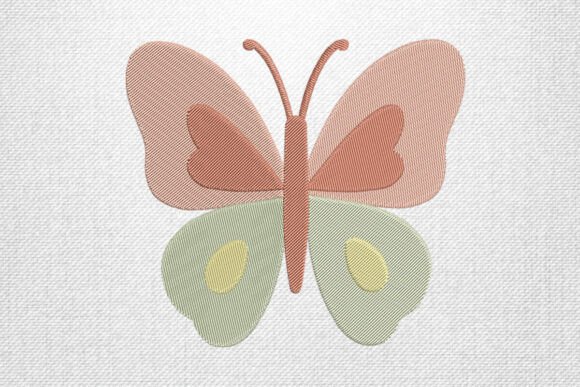
Pastel Butterfly Embroidery Design Review
As a designer who has stitched everything from high-end custom apparel to small-batch Etsy shop merchandise, I approach every new machine embroidery design with a critical eye. The goal is always the same: will this file translate into a beautiful, durable, and marketable finished product? Recently, I loaded the Pastel Butterfly Embroidery Design onto my machine to see if it lives up to its promise of adding a soft, whimsical touch to real-world projects. This isn't just about pretty pictures; it's about stitch integrity, fabric interaction, and commercial viability.
First Impressions: Mood and Minimalism
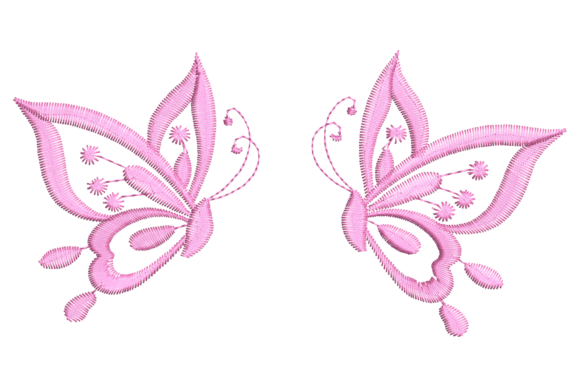
When you first open the embroidery file, the visual impact is immediate but subtle. Unlike many designs in the Bugs category that rely on heavy outlining or chaotic details, this piece leans heavily into minimalism. The description mentions smooth stitching in gentle shades of pink, green, and yellow, and the preview confirms this aesthetic. It feels less like a technical illustration and more like a watercolor sketch rendered in thread.
The layout is balanced, avoiding the common pitfall of overcrowded wings. For a designer creating a brand identity for a boutique or a nursery line, this level of restraint is refreshing. It suggests elegance without shouting. However, the pastel palette raises an immediate question for any serious maker: how will these light thread colors perform on different backgrounds? The mood is undeniably dreamy, perfect for spring collections or baby showers, but that very softness requires careful planning regarding contrast and visibility.
Real-World Application: From Hoop to Product
To truly test the Pastel Butterfly Embroidery Design, I imagined two distinct scenarios: a personalized gift for a friend expecting a baby and a batch of tote bags for a local craft fair. In both cases, the design's simplicity became its greatest asset.
For the baby embroidery project, I pictured placing the butterfly on a soft, organic cotton onesie. The fill stitch density appears low enough to maintain the fabric's drape, which is crucial for infant wear. You don't want a stiff, plastic-like patch on a newborn's chest. The gentle curves of the wings would likely flow well with the fabric grain, provided the stabilizer is chosen correctly. If I were selling this as a personalized gift, the soft color palette would immediately signal "tenderness" to the buyer, increasing the perceived value of the item.
Switching gears to a tote bag design, the dynamic changes slightly. Canvas is a textured surface, often thicker than knitwear. Here, the Pastel Butterfly Embroidery Design needs to pop. On a natural cream canvas, the pastel tones might blend too softly, looking washed out under bright sunlight. This is where a designer must intervene. Perhaps pairing the design with a darker background fabric or adding a subtle outline in white thread could enhance definition. For an Etsy seller or small shop product owner, understanding these nuances separates a good listing from a great one. Customers need to see the detail clearly in their photos.
Commercial Viability and Brand Consistency
If you are running a craft business, consistency is key. This design fits perfectly into a cohesive collection focused on nature, spring, or femininity. It works well as a standalone motif on a sweatshirt embroidery pocket or as part of a larger composition on a pillow cover. Because the lines are clean, it scales reasonably well, though scaling down too much risks losing the delicate nature of the wings.
For those selling digital product assets or offering custom services, the versatility of this Embroidery piece is a strong selling point. It appeals to the demographic looking for "soft girl" aesthetics, cottagecore themes, or gentle nursery decor. When creating a printable mockup to showcase your work, ensure the lighting highlights the texture of the thread. Pastels can sometimes look flat in digital previews, so showing a close-up of the actual stitch work builds customer trust.
Where Caution Is Required
Despite its charm, the Pastel Butterfly Embroidery Design is not a "set it and forget it" file. There are specific situations where this design demands extra attention to avoid a disappointing result.
- Fabric Choice: Avoid using this on dark fabrics without significant modification. The pastel pinks and yellows will vanish against black or navy blue unless you use a dense underlay or a backing sheet, which alters the hand-feel of the garment.
- Stretchy Materials: On highly elastic knits used for fitted tees, the tension of the stitch density might cause puckering. Always test on scrap fabric first to ensure the hoop size accommodates the stretch without distorting the butterfly's shape.
- Textured Surfaces: While canvas is fine, heavily textured wovens like seersucker or thick denim can interfere with the smooth lines of the wings. The needle might skip, or the thread might sink into the weave, making the pastel colors muddy.
- Small Hoops: If you attempt to fit this design into a 4x4 inch hoop, you may lose the fluidity of the wing edges. Check the recommended dimensions before starting. A cramped design loses its whimsical appeal.
- Detailed Corners: Inspect the tips of the wings. If the design relies on very sharp points, they can be prone to fraying or breaking during washing. Ensure the running stitch or satin stitch at the edges is tight enough to hold up over time.
Practical Designer Notes for Success
Before committing to a full production run or a client order, follow these steps to ensure the Pastel Butterfly Embroidery Design performs flawlessly:
- Test Stitch First: Never embroider directly on the final product. Use a scrap of the exact fabric you plan to use. This reveals how the thread colors interact with the material's texture.
- Check Contrast: Hold the finished test swatch up to natural light. Do the pastel greens stand out against the fabric? If not, consider swapping one color for a slightly deeper tone or adding a shadow layer.
- Stabilizer Strategy: For pastels on light fabrics, a tear-away stabilizer usually suffices. However, for items that will undergo frequent washing, like kitchen towels or aprons, a cut-away stabilizer provides better longevity for the fill stitch.
- Licensing Check: Before selling commercial embroidery items featuring this design, verify the license terms. Some files are for personal use only, while others allow for limited sales of finished goods. Never assume; always confirm to protect your business.
- Maintain Quality: Inspect the test run for loose threads or skipped stitches. A professional handmade product should have no visible errors. Trim all tails neatly to ensure a polished backside, especially for items like caps or hats where the back is visible.
Final Verdict on Visual Appeal and Value
The Pastel Butterfly Embroidery Design succeeds because it understands the power of subtlety. In a market saturated with loud, neon, or overly complex patterns, this design offers a breath of fresh air. It elevates a simple tote bag or a basic t-shirt into something thoughtful and curated.
For the creative entrepreneur, this file represents a versatile tool. It can anchor a holiday collection, serve as a sweet accent on a wedding guest book, or define the aesthetic of a new nursery line. Its success lies in the execution. By paying attention to fabric choice, stabilizer selection, and color contrast, you can transform this digital file into a tangible asset that customers will love.
Ultimately, whether you are a hobbyist decorating a home or a business owner building a brand, this design offers a reliable path to a charming, high-quality result. Just remember: the magic happens not just in the download, but in the preparation and the care you take during the stitching process. With the right approach, this butterfly will flutter beautifully across your next project.