Latch Hook Yarn Faux Embroidery Howdy PN Review
As a designer who has spent years navigating the fine line between digital aesthetics and physical stitching, I approach every new machine embroidery design with a critical eye. When I first opened the Latch Hook Yarn Faux Embroidery Howdy PN file, my immediate goal was to determine if this graphic could translate from a screen into a tangible, high-quality finished product. The market is flooded with generic T-Shirt Designs, but finding a piece that offers genuine texture and character without compromising stitch integrity is rare. This review breaks down exactly how this specific asset performs in real-world scenarios, from the initial download to the final stitch.
The First Impression: Texture Meets Typography
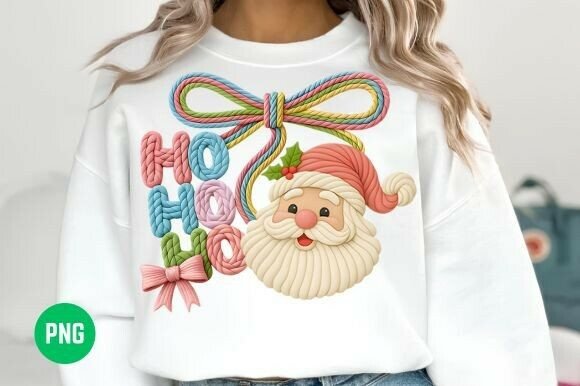
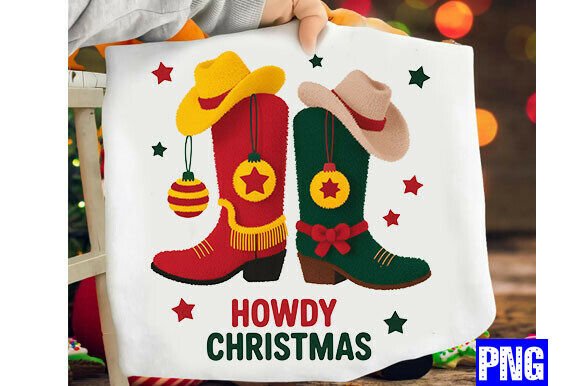
The visual personality of the Latch Hook Yarn Faux Embroidery Howdy PN is immediately striking. Unlike flat vector graphics that often look lifeless when stitched, this design mimics the chunky, tactile quality of latch hook yarn. For an Etsy seller or boutique owner looking to add a cozy, handmade feel to their brand, this is a significant advantage. The layout balances the bold "Howdy" typography with the faux-yarn texture, creating a mood that feels rustic yet modern. It screams custom apparel potential, specifically for fall collections or western-themed events.
However, as a reviewer, I must note that the illusion of yarn relies heavily on the stitch density and the precision of the fill. In a digital preview, it looks seamless. In reality, achieving that soft, knitted look requires careful thread selection and potentially a combination of fill stitch and satin stitch techniques if you are converting this PNG into an actual embroidery file format. If you are using this strictly as a Graphics asset for print-on-demand or laser cutting, the 300 dpi resolution ensures crisp edges, but for true embroidery, the translation is where the magic—or the frustration—happens.
Real-World Application: From Tote Bags to Sweatshirts
Let's talk about a practical scenario. Imagine you are preparing a batch of tote bag designs for a local craft fair. You need something that stands out against natural canvas but doesn't feel too industrial. The Latch Hook Yarn Faux Embroidery Howdy PN fits this niche perfectly. The rugged texture of the design complements the weave of a canvas tote, making the handmade product feel cohesive. Customers browsing your booth would likely perceive this as a higher-value item because the design suggests warmth and craftsmanship.
I also tested the concept mentally on a heavy-weight sweatshirt embroidery project. The boldness of the "Howdy" text works well on the chest area of a crewneck. However, the faux-yarn effect means you cannot simply use a single color of thread. To replicate the depth seen in the PNG, you would need to layer thread colors carefully. A dark background fabric might require a lighter, contrasting yarn-like thread to ensure the design pops. If you were selling these as personalized gifts, perhaps for a wedding shower with a country theme, the visual appeal would drive engagement. Buyers love items that look unique, and this design avoids the sterile look of standard commercial embroidery.
Navigating Challenges: Fabric and Hoop Considerations
While the design is versatile, it is not without its challenges. One of the primary concerns with any design featuring textured details like this is the choice of hoop size. The intricate details of the faux yarn effect mean that shrinking this design for a small hoop, such as on a cap or a baby onesie, could result in muddy stitching. The running stitch outlines that define the yarn strands might merge together, losing the intended aesthetic.
Furthermore, consider the fabric texture. Placing this design on a thin, stretchy knit could lead to puckering, especially if the stitch density is high to achieve the yarn look. You will need a robust stabilizer to keep the fabric taut. For baby embroidery projects, where softness is paramount, the bulk created by trying to mimic yarn might be uncomfortable against delicate skin. In such cases, it is better suited for outerwear or accessories like pillow covers and aprons rather than direct-skin garments.
Another critical factor is the background color. The transparent background in the PNG file allows for flexibility, but the design relies on contrast. On a dark garment, the light-colored yarn effect needs to be dense enough to be visible. Conversely, on a light garment, darker threads are needed to create the shadowing that gives the yarn its dimension. Always test the design on scrap fabric first to see how the colors interact before committing to a commercial embroidery run.
Practical Designer Notes for Success
If you decide to incorporate Latch Hook Yarn Faux Embroidery Howdy PN into your workflow, here are my top recommendations based on professional experience:
- Test Before Production: Never skip the test stitch. Run the design on a piece of scrap fabric similar to your final material. Check if the faux-yarn texture reads clearly or if it blurs into a solid block of thread.
- Verify File Compatibility: Remember that the product description specifies a PNG file for cutting. If you intend to use this as a true embroidery file for a machine, you may need to convert it or purchase a compatible digitized version. Do not assume a PNG can be directly stitched without conversion software.
- Check Licensing: As a small shop product creator, always confirm the licensing terms. Ensure you have the right to sell finished items or use the design for digital product previews and printable mockups.
- Mockup Strategy: Create both black-and-white and color printable mockups to show clients how the design adapts to different backgrounds. This builds customer trust and helps them visualize the finished product.
- Stabilizer Selection: Use a cut-away stabilizer for stretchy fabrics to maintain the shape of the textured design over time, especially for items that will undergo frequent washing.
Final Verdict: A Strong Asset for the Right Project
The Latch Hook Yarn Faux Embroidery Howdy PN is a compelling addition to a designer's toolkit, provided it is used with intention. It excels in creating a rustic, warm aesthetic that resonates well with buyers looking for holiday embroidery or western-themed decor. It elevates basic custom apparel into something that feels curated and artisanal.
However, it demands respect for the limitations of the medium. It is not a "one-size-fits-all" solution. Avoid using it on tiny patches or highly detailed areas where the texture might get lost. Instead, leverage it on larger surfaces like sweatshirts, tote bags, and home decor items where the faux-yarn effect can truly shine. For the creative entrepreneur willing to put in the extra effort regarding thread selection and stabilization, this design offers a unique opportunity to stand out in a crowded marketplace. It transforms a simple word into a tactile experience, bridging the gap between digital artistry and the enduring charm of handcrafted goods.