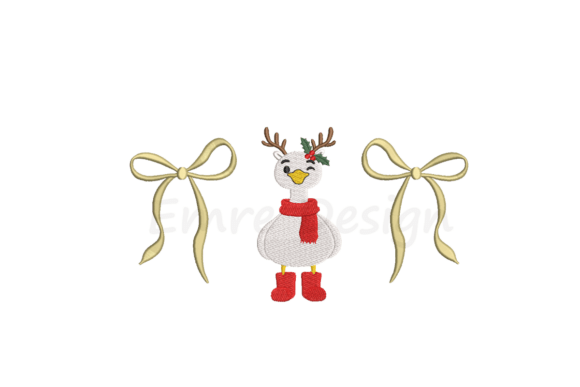
Coquette Goose Christmas Embroidery Review
As a professional embroidery designer who has spent years translating digital files into tangible brand assets, I approach every new design with a critical eye. When reviewing the Coquette Goose Christmas Embroidery, my goal is not just to see if it looks pretty, but to determine if it holds up under the rigorous demands of commercial production. Small business owners, apparel decorators, and Etsy sellers need designs that translate seamlessly from screen to fabric while reinforcing their brand identity. This review breaks down how this specific machine embroidery design performs when used for branded merchandise, patches, and custom apparel.
First Impressions: Visual Personality and Brand Fit
The moment you load the Coquette Goose Christmas Embroidery file into your digitizing software or hoop preview, the aesthetic intent becomes clear. The description promises a "fun and whimsical touch," and the visual language delivers exactly that. Unlike stark corporate logos, this design leans heavily into the coquette trend—think softness, charm, and a touch of nostalgia. For a small business looking to humanize its brand during the holiday season, this is a powerful asset.
However, the question remains: does it feel premium enough for high-end merch? In my experience, whimsical designs can sometimes border on amateurish if the stitch execution isn't flawless. The Coquette Goose concept suggests a blend of elegance and playfulness. If your boutique, bakery, or creative studio wants to project a friendly, approachable vibe, this design fits perfectly. It signals to customers that your brand values personality and detail. Conversely, if your brand identity relies on minimalism or strict industrial aesthetics, this might clash unless used as a subtle accent rather than a primary logo.
Performance in Real Business Applications
When we move beyond the screen and consider real-world applications, the versatility of this embroidery file becomes apparent. Here is how the Coquette Goose Christmas Embroidery translates across various commercial use cases:
- Embroidered Patches: This design is an excellent candidate for woven or embroidered patches. The whimsical nature of the goose allows for a standalone patch application on denim jackets, tote bags, or backpacks. For a local coffee shop or florist, offering limited-edition holiday patches can drive customer engagement and create a sense of exclusivity.
- Staff Uniforms and Aprons: Consider using this as a chest logo accent on staff aprons or caps. An apron embroidery feature like this adds a festive flair to service uniforms without overpowering the main brand logo. It makes the staff look more welcoming and seasonal, which is crucial for retail environments during December.
- Cap Embroidery: Placing the Coquette Goose on the front of a baseball cap requires careful consideration of scale. If the design includes fine details, they may get lost on the curved surface of a cap front. However, as a side-panel detail or a back-of-cap accent, it works beautifully as a subtle nod to the season.
- Tote Bag Design: Tote bags are a staple for handmade brands. A large-scale version of this design on a canvas tote creates a statement piece. The "whimsical" aspect pairs well with the eco-friendly, craft-focused image many tote bag buyers seek.
- Product Packaging Accents: Beyond apparel, this digital embroidery file can be adapted for fabric tags or ribbon pulls on gift boxes. Adding a physical, textured element to your packaging elevates the perceived value of the finished product.
Critical Considerations for Production
While the Coquette Goose Christmas Embroidery offers great potential, there are specific scenarios where caution is required. As a designer, I always advise clients to test before committing to a full run. Here are the areas where this design needs careful handling:
Scale and Detail Retention
If you intend to use this as a tiny patch or a small sleeve detail, you must verify the stitch count and density. Whimsical designs often rely on delicate outlines and shading. At very small sizes, these details can blur together, resulting in a muddy appearance. Always check if the design maintains clarity at your intended dimensions. If the goose features intricate feathers or facial expressions, shrinking the size too much will compromise the quality.
Fabric Texture and Stabilization
The success of any commercial embroidery project hinges on the interaction between the thread and the fabric texture. On thick, textured fabrics like heavy fleece or terry cloth towels, the "coquette" softness might get lost in the pile. You will likely need a heavy-duty stabilizer to prevent puckering and ensure the stitches lie flat. For dark uniforms, ensure the underlay is sufficient to make the thread colors pop; otherwise, the design may appear dull.
Wear and Tear
Items like aprons and work shirts undergo frequent washing. High stitch density areas, common in detailed animal designs, can sometimes cause fabric fatigue over time. Test wash a sample garment to ensure the embroidery holds up without cracking or pulling threads loose. This is vital for maintaining professionalism in your small business merch.
Impact on Brand Identity and Customer Trust
Choosing the right design assets directly influences how customers perceive your brand. The Coquette Goose Christmas Embroidery injects a sense of warmth and care into your products. In the crowded marketplace of handmade goods and custom apparel, unique branding sets you apart. A well-executed holiday design shows that you invest in quality and creativity.
Furthermore, using a cohesive design across different items—from caps to tote bags—builds visual consistency. When a customer sees the same charming goose on a patch, a shirt, and a bag, it reinforces brand recognition. This consistency builds trust; it tells the buyer that your brand is established and attentive to detail. However, ensure that the whimsy doesn't overshadow your core message. The design should complement your existing brand identity, not compete with it.
Practical Designer Notes for Implementation
Before you purchase or produce the Coquette Goose Christmas Embroidery for your business, follow these practical steps to ensure a successful outcome:
- Test in Black and White First: Run a test stitchout using a single color to evaluate the structure, spacing, and density without the distraction of thread colors.
- Verify Hoop Size: Confirm that the design fits within your standard hoop sizes. If it requires a larger hoop than you own, you may face registration issues.
- Check Thread Color Contrast: Ensure the chosen thread colors provide enough contrast against your fabric. Subtle pastels might disappear on light gray or cream backgrounds.
- Create a Printable Mockup: Generate a high-quality printable mockup to show clients or stakeholders. This helps manage expectations regarding the final look of the finished product.
- Inspect Spacing and Density: Look closely at the digitizing file. Are there areas where stitches are too tight? Tight stitching can tear fabric or cause needle breakage.
- Confirm Commercial Licensing: Before selling items featuring this design, double-check the license terms. Ensure you have the rights to use this digital embroidery file for commercial embroidery projects and resale.
- Compare with Other Assets: Place the Coquette Goose next to your other design assets. Does it fit the style? Is it too busy compared to your usual minimalist approach?
In conclusion, the Coquette Goose Christmas Embroidery is a delightful addition to any small business owner's toolkit, provided it is used with strategic intent. By understanding its strengths and limitations, you can leverage this fun and whimsical touch to create memorable, high-quality merchandise that resonates with your audience. Whether for a holiday pop-up shop, a seasonal uniform update, or a special edition patch, this design has the potential to bring significant personality and value to your brand.